Why running or accumulating volume is no longer enough
For a long time, strength training was considered secondary for runners, cyclists or endurance athletes. There was a notion that lifting weights could make an athlete slower or interfere with aerobic work. Today we know that that vision is outdated. Current evidence demonstrates that strength training improves performance in endurance sports when well programmed. Helps:
improve movement economy
reduce energy cost
produce more force
reduce risk of injury
tolerate the load better
The goal is not to turn a runner into a powerlifter. The goal is to build a more efficient and resilient athlete. Many endurance athletes have good cardiovascular capacity, but clear limitations in:
force production
stability
stiffness tendinoso
shock absorption
mechanical efficiency
That usually translates into:
worst career economy
technical loss with fatigue
recurring discomfort
difficulty holding
high intensities
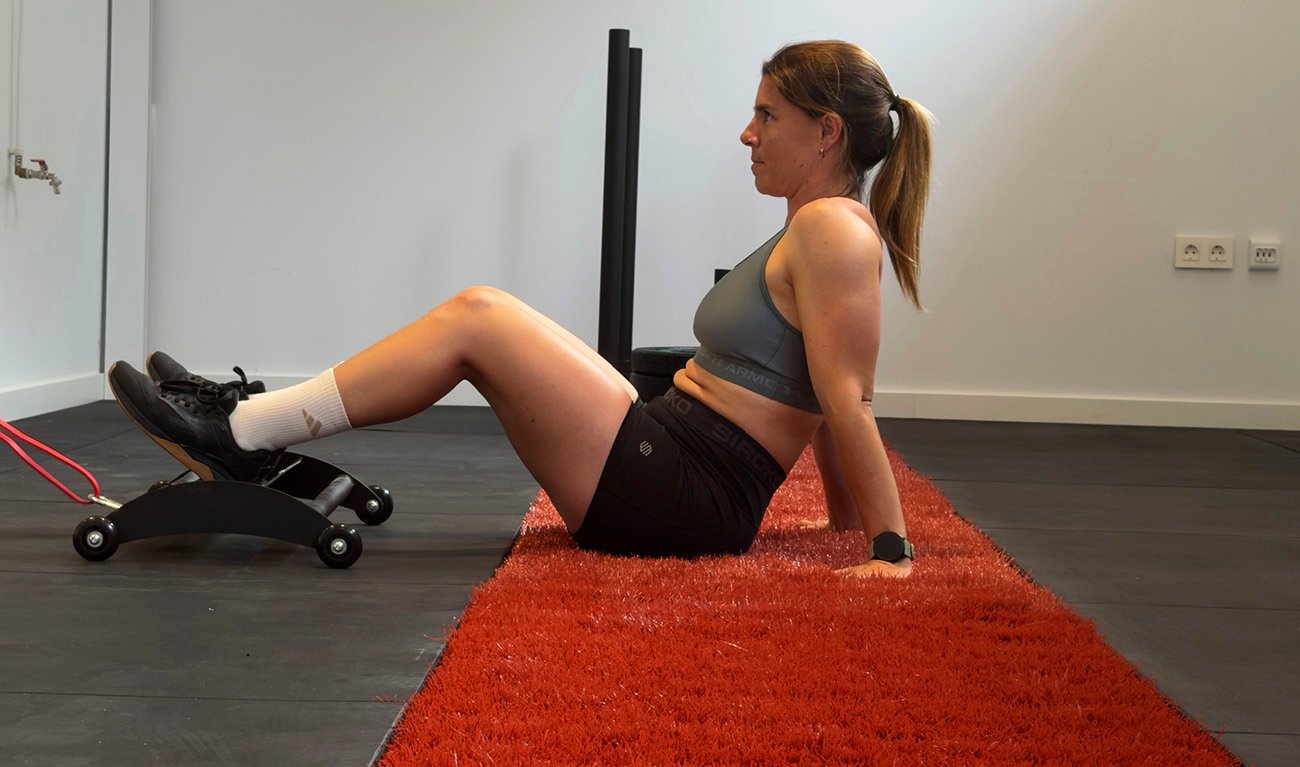
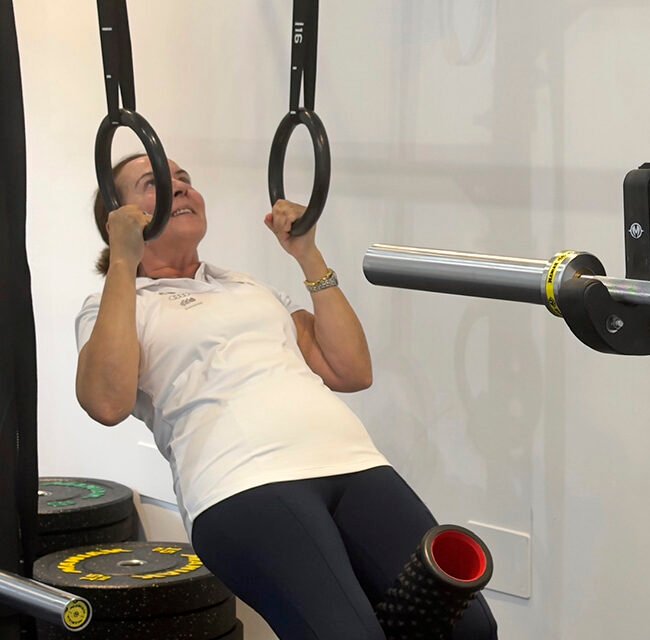
Performance does not depend only on the cardiovascular system. It also depends on the muscular and neuromuscular ability to produce and transfer force efficiently. That is why strength training improves the economy of movement: the athlete needs to use less relative effort in each action. Each stride or pedal stroke becomes more efficient. But strength does not mean bodybuilding. Many athletes accumulate excessive sessions or poorly transferable work that generates more fatigue than useful adaptation. The goal is not to leave the gym destroyed. It is to improve skills that are transferred to sport. Most endurance athletes especially benefit from:
maximum force
unilateral work
power
pliometry
control and stability
ability to absorb forces
This improves:
neuromuscular efficiency
transmission of forces
musculotendinous stiffness
reactivity
tolerance to repeated impacts
In most cases, two well-structured weekly sessions generate enormous benefits. The key is in:
select exercises well
control fatigue
prioritize quality
correctly integrate the
aerobic work
At CDA Perform we understand strength as a tool to improve performance, not as an aesthetic goal. We are looking for:
minimum effective dose
clear progression
simple exercises
logical integration with sport
Because modern endurance performance is no longer just about racking up miles. It consists of building athletes capable of producing and repeating efforts efficiently.
Scientific references
Rønnestad BR, Mujika I. Optimizing Strength Training for Running and Cycling Endurance Performance: A Review. Scandinavian Journal of Medicine & Science in Sports. 2021.
Lum D, Barbosa TM, Joseph R. Effects of Strength Training on Cycling Performance: A Systematic Review and Meta-Analysis. Journal of Sports Sciences. 2022.
Alcaraz PE, Carlos-Vivas J, Oponjuru BO, Martínez-Rodríguez A. The Effectiveness of Resistance Training for Improving Running Performance in Endurance Athletes. International Journal of Environmental Research and Public Health. 2021.
Vikmoen O, Rønnestad BR, Ellefsen S, Raastad T. Heavy Strength Training Improves Running and Cycling Performance in Endurance Athletes. International Journal of Sports Physiology and Performance. 2022.